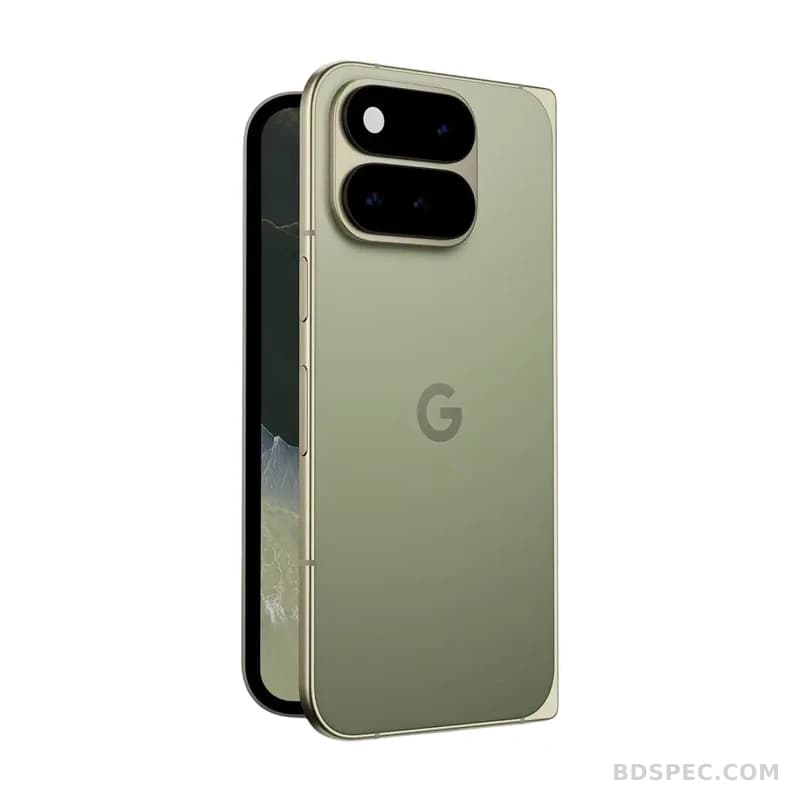
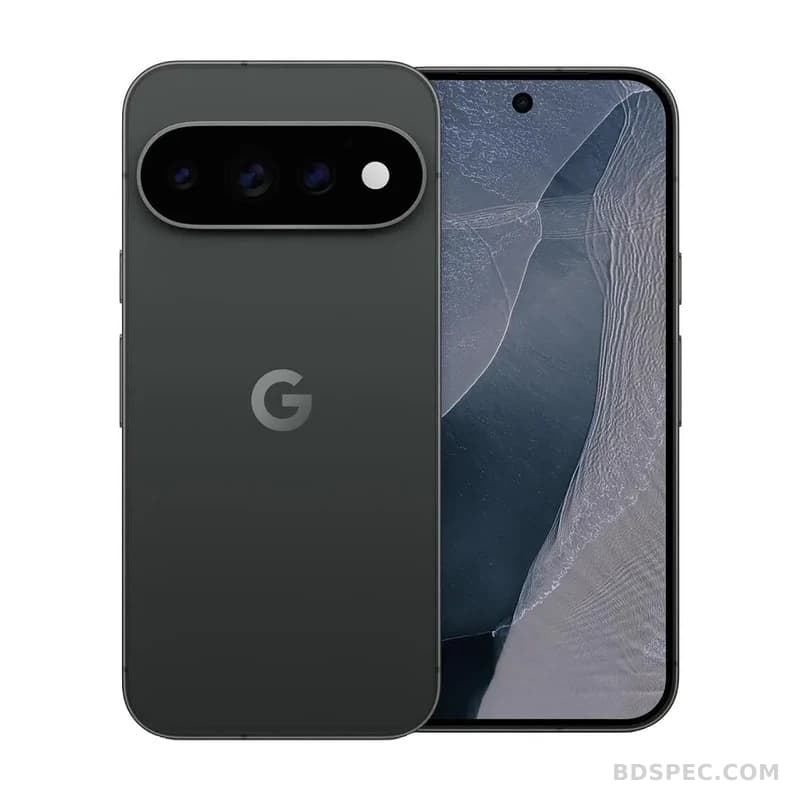
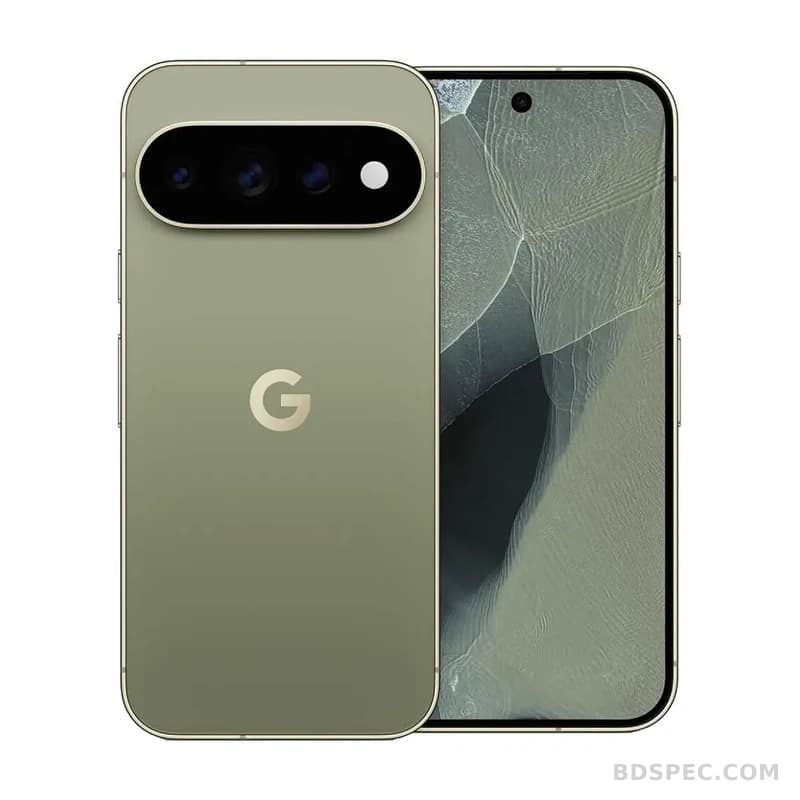
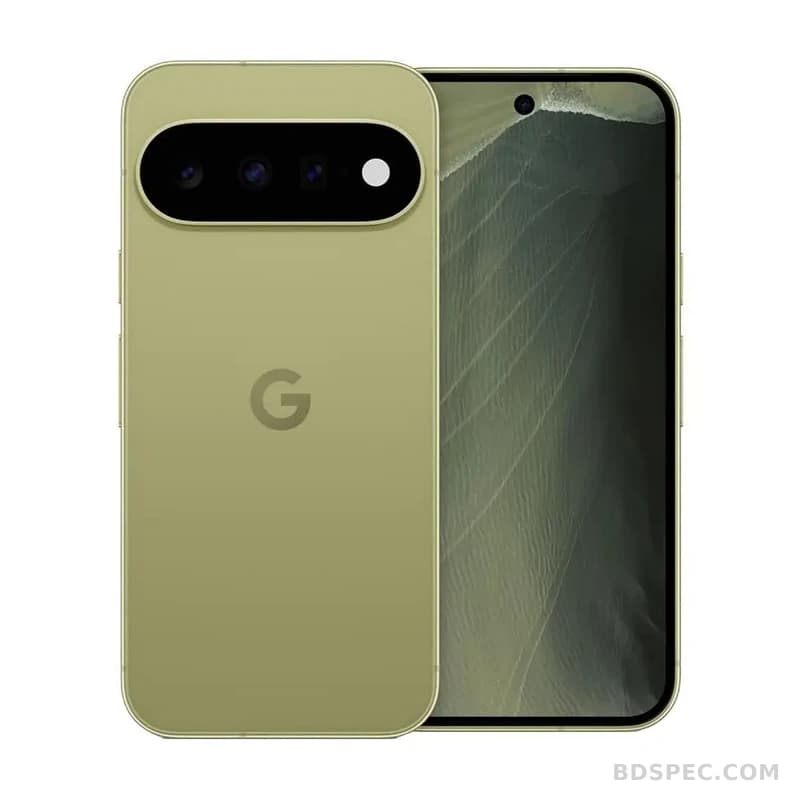
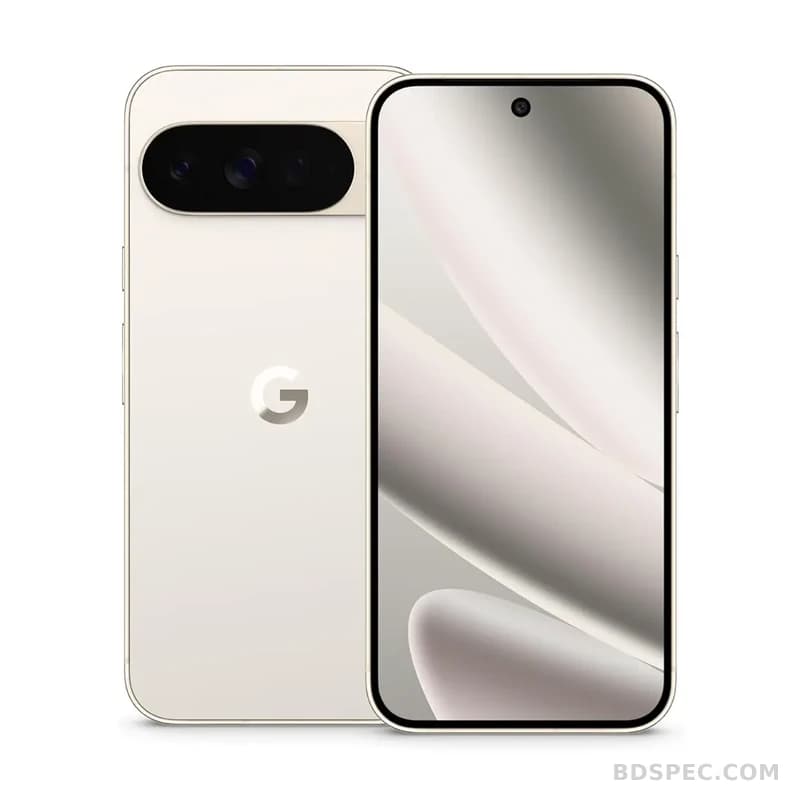
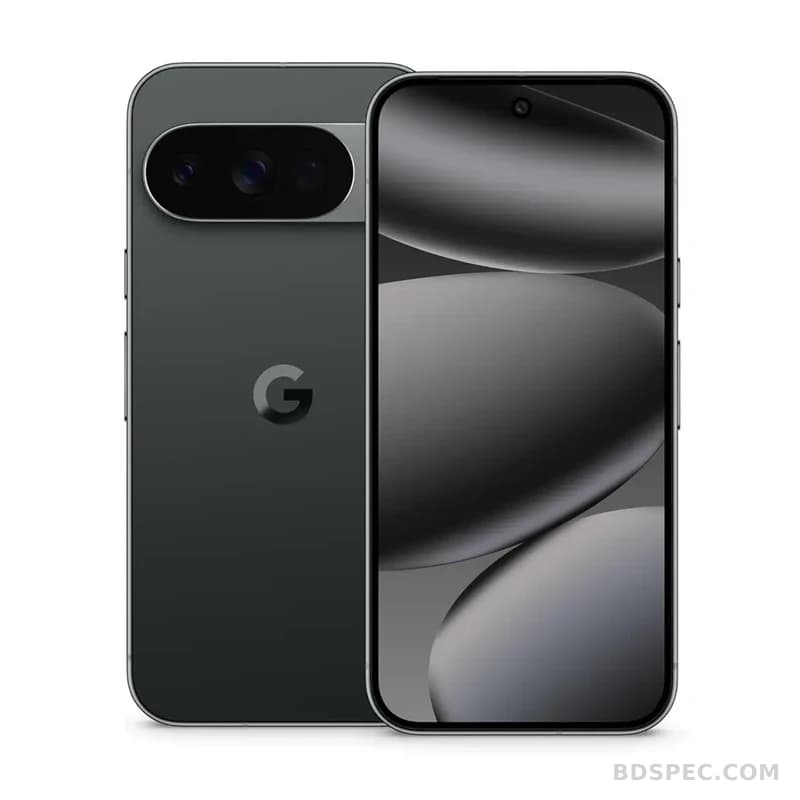
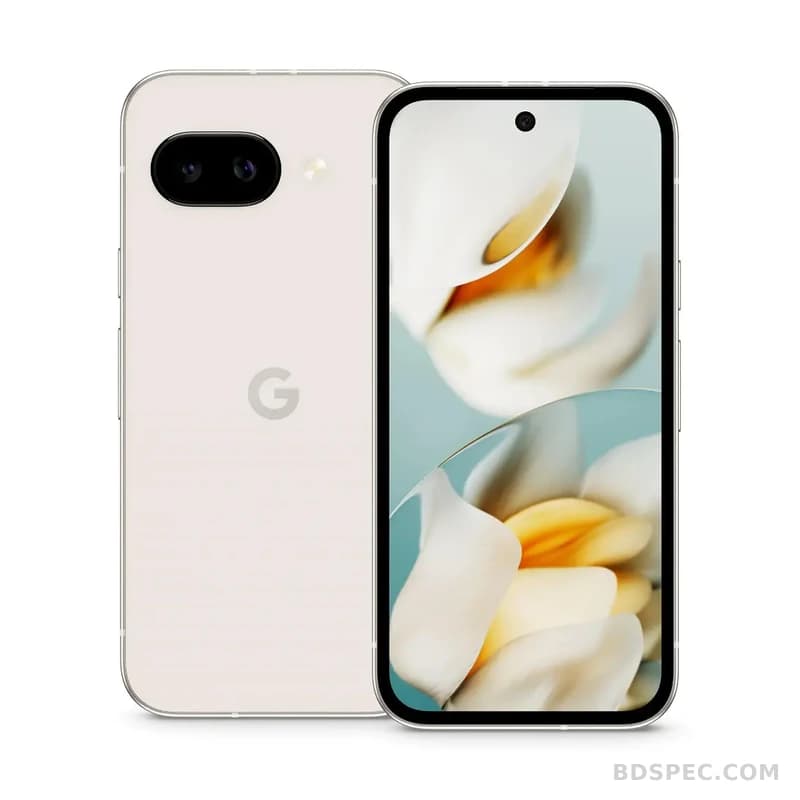
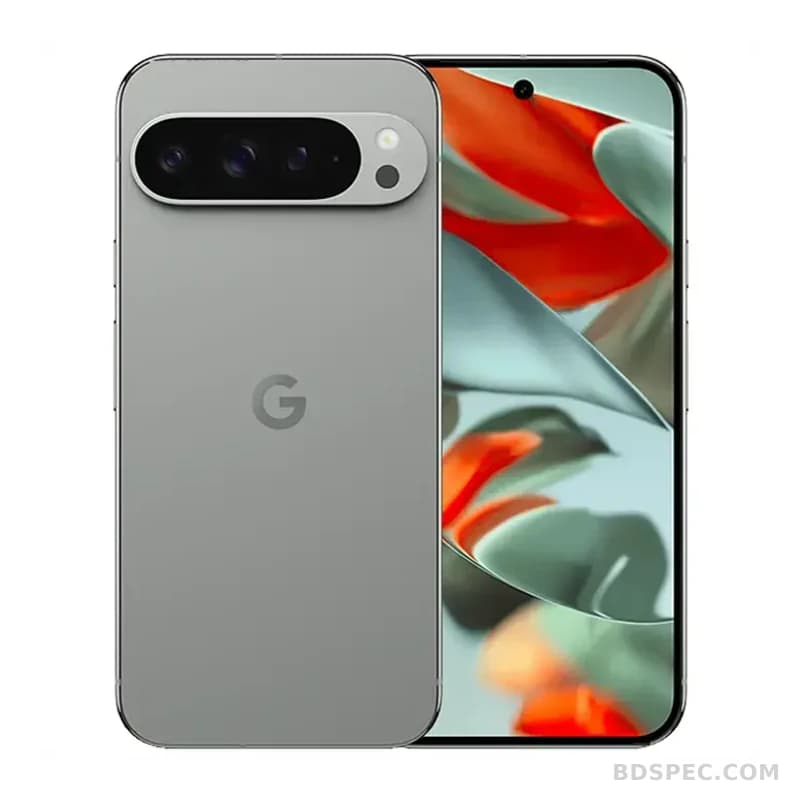
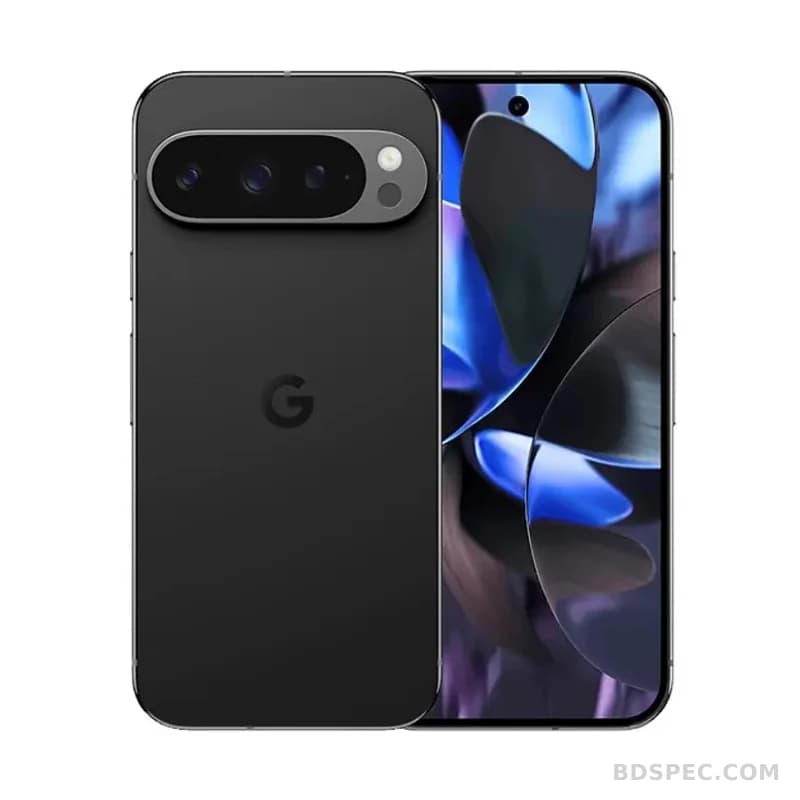
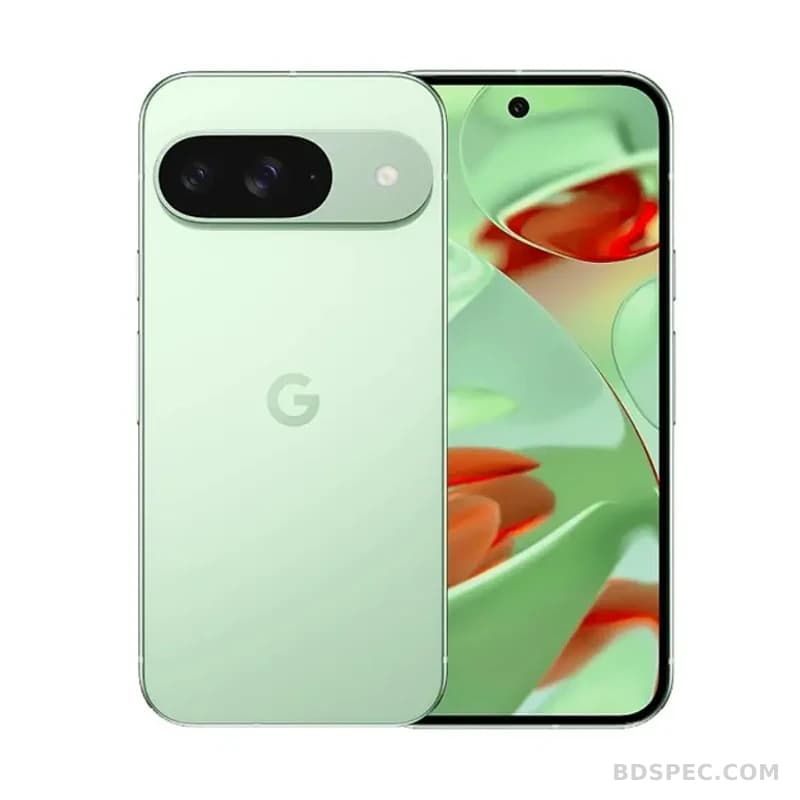
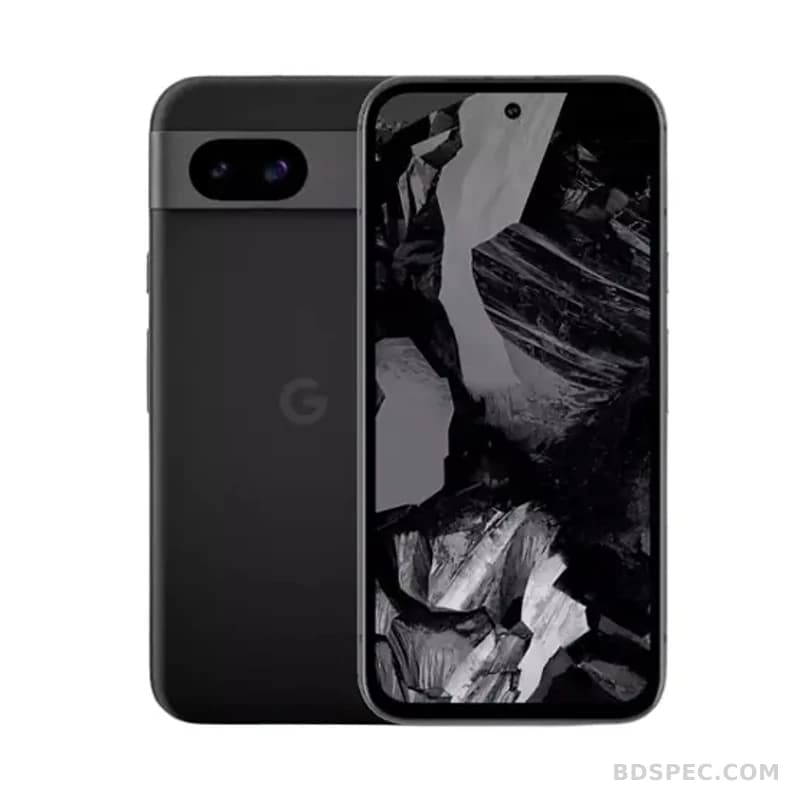
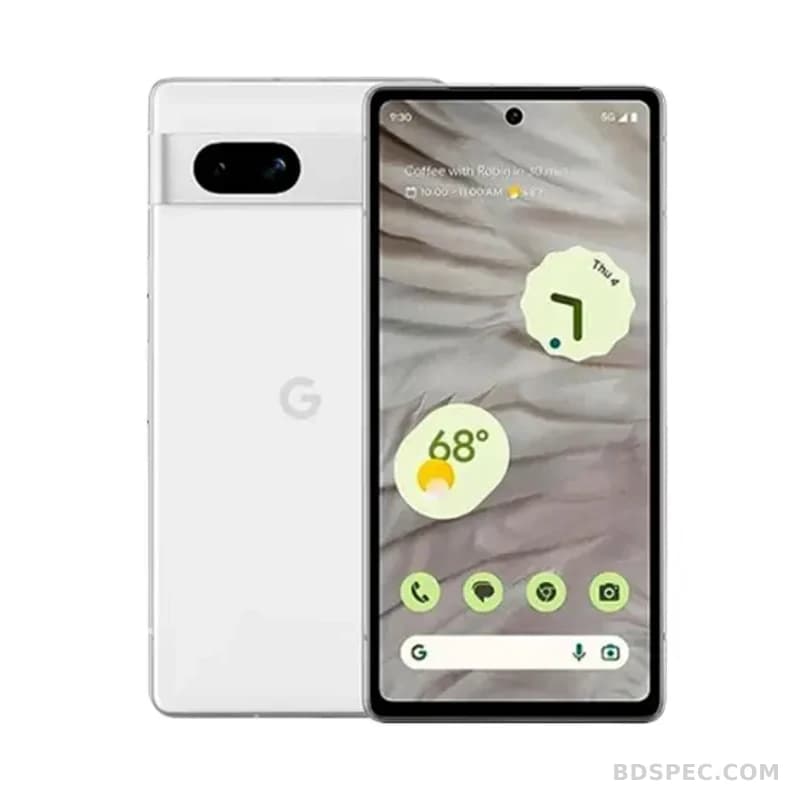
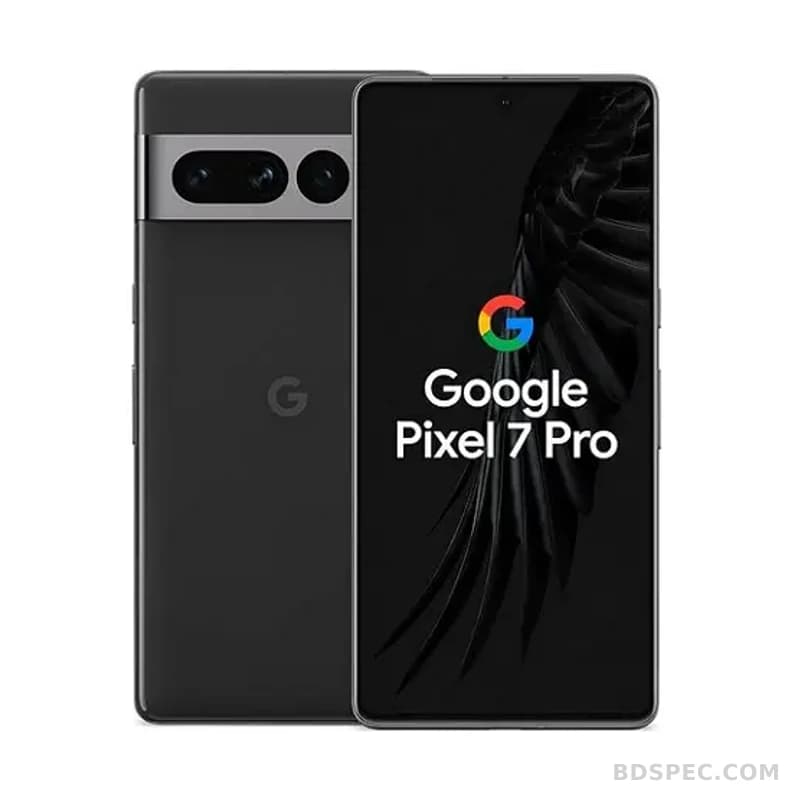
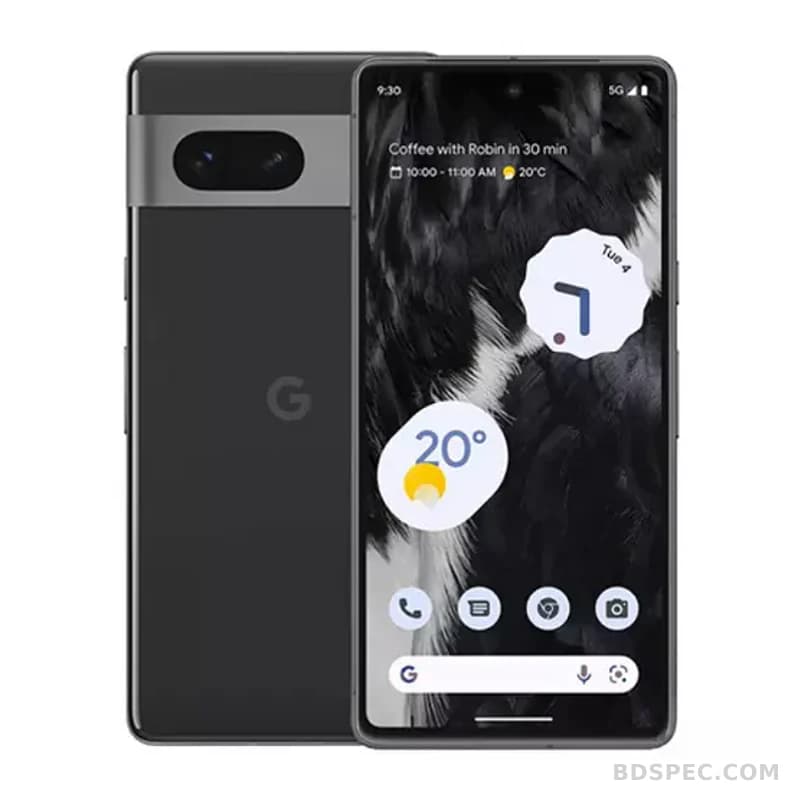
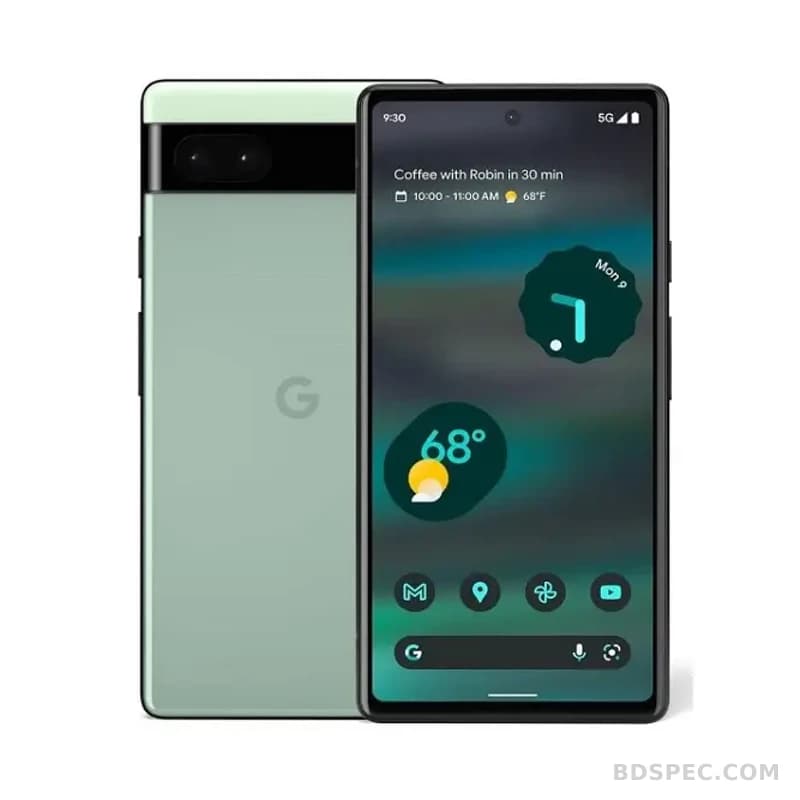
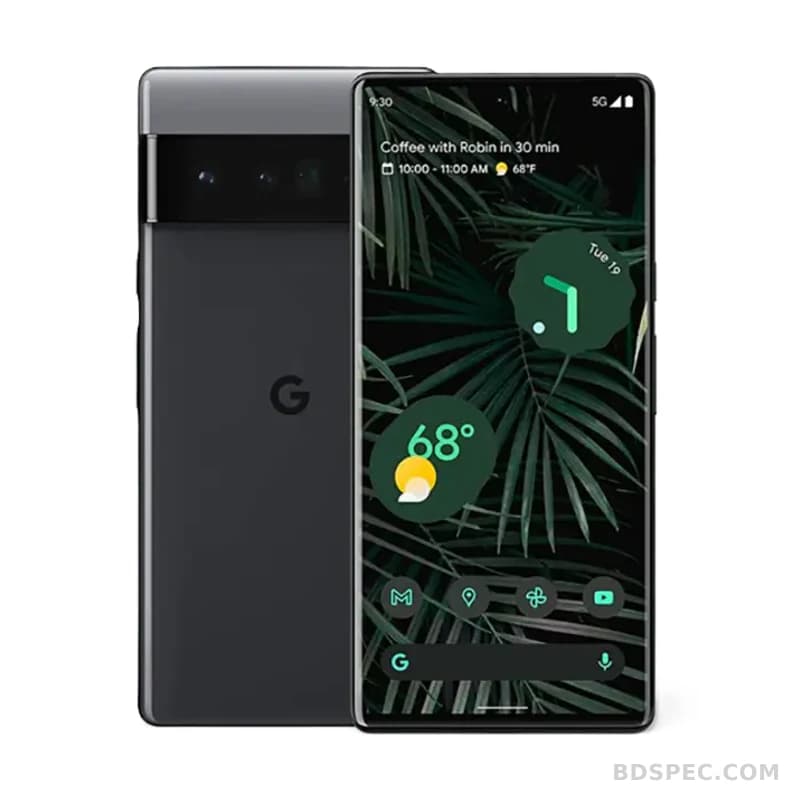
A phone is the one piece of technology most Bangladeshi buyers use from the moment they wake until they sleep, so it is worth a little patience at the point of purchase. Google phones attract attention because the brand is tied to services and software that many people already use every day, but a logo alone is not a reason to hand over money. What follows is a set of questions that will tell you far more than a shopkeeper's summary, and they apply whatever your budget happens to be.
The first question is simple: what will you actually do with the phone? Calls, messaging, browsing, mobile banking, photography and some gaming cover the daily routine for most people. If photography matters to you, the camera system becomes the centre of the decision. If you live on video calls and social apps, battery life and screen quality climb in importance. Naming your main use first stops you from paying for features you will never touch, and it gives you a clear yardstick when a seller starts praising a more expensive option.
Second, ask how long the phone will receive software updates. This is easy to overlook at the counter and expensive to regret later. A handset that stops receiving updates early will feel old sooner, and security patches matter for anything involving money or personal data. Find out the update commitment before you decide, and treat it as part of the real cost of the device rather than an optional extra.
Third, check network compatibility. Bangladesh relies on several mobile networks, and a phone bought abroad or through unofficial channels may not support the bands your operator uses, which can leave you with weak signal or no data in some areas. Confirm the supported frequencies against your own SIM before buying, and test a call and a data connection in the shop if you can.
Fourth, look closely at storage and memory. Photos, videos and apps fill space quickly, and a phone that feels fast on day one can feel cramped a year later. More built-in storage is usually better value than a memory card you have to manage yourself, and it removes one source of friction. Think about how many photos and videos you keep, because that habit decides whether a smaller model is enough.
Fifth, study battery capacity and charging expectations honestly. Battery life depends on screen size, usage and network conditions, so treat any single claim with care and focus instead on whether the phone comfortably lasts your typical day. Fast charging is genuinely useful in a country where a midday top-up is often the difference between a working phone and a dead one by evening.
Sixth, decide what you need from the screen. Resolution, brightness and colour all matter, but brightness is especially important if you use the phone outdoors in strong sunlight. Larger screens are easier for reading and video but harder to hold and carry. There is no universal best size, only the one that fits your hands and your habits.
Seventh, be clear about where you are buying and what protection comes with it. An official seller usually provides a local warranty, proper documentation and a route to service, while an unverified import may save money upfront and cost more if something goes wrong. Ask whether the device is officially warranted locally, what the box should contain, and what the return policy is. Keep the receipt, because it is what you will need if a fault appears.
Beyond those seven, a few smaller habits pay off. Compare the phone in person where possible rather than relying only on photos, since weight and grip matter more than they sound. Read the terms of any instalment offer carefully, because a low monthly figure can hide a higher total. And resist buying purely on a discount deadline, since prices and bundles move often and a calm decision usually beats a rushed one. You can see what the local market currently lists by browsing the
smartphone section, and the broader
mobile phones category puts the whole range in one place.
Google phones are widely available in Bangladesh through authorised phone retailers, larger electronics shops and online marketplaces, with Dhaka offering the greatest choice. Because Google releases devices at different times and import channels vary, stock and pricing can shift, so it helps to check with more than one seller and confirm the warranty terms in writing. Local service depends on the seller and the official support network, so ask where repairs are handled, how long they typically take and which documents you need to keep. A phone bought with a clear warranty and a reliable seller will always feel like the safer purchase.