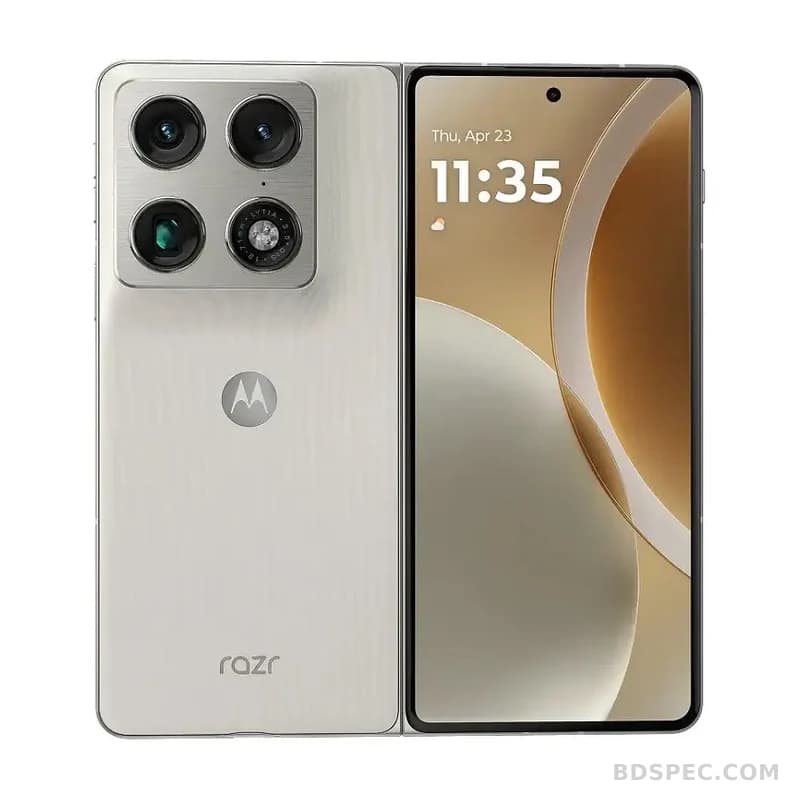
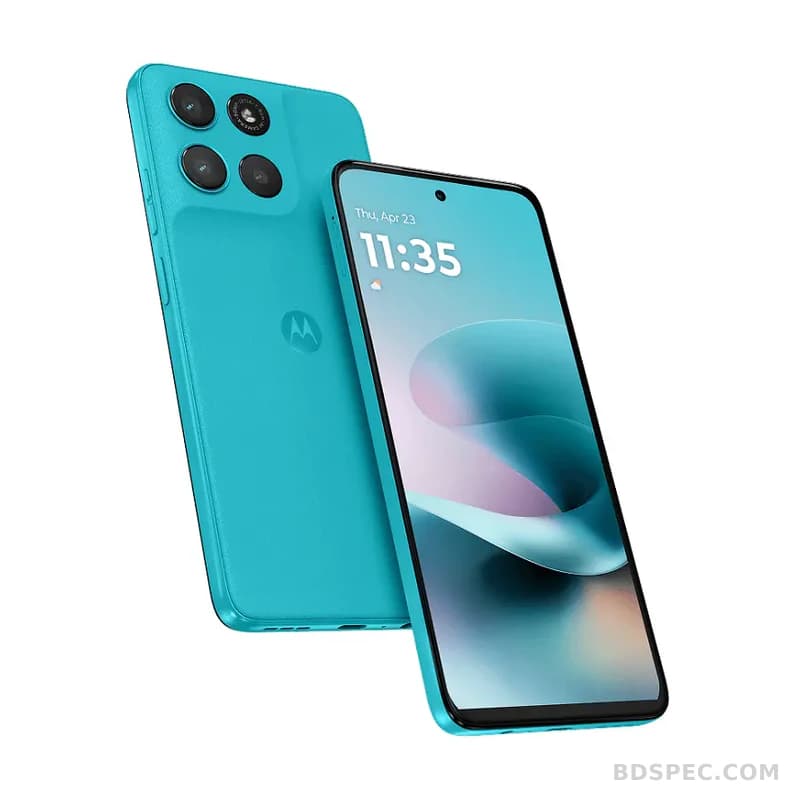
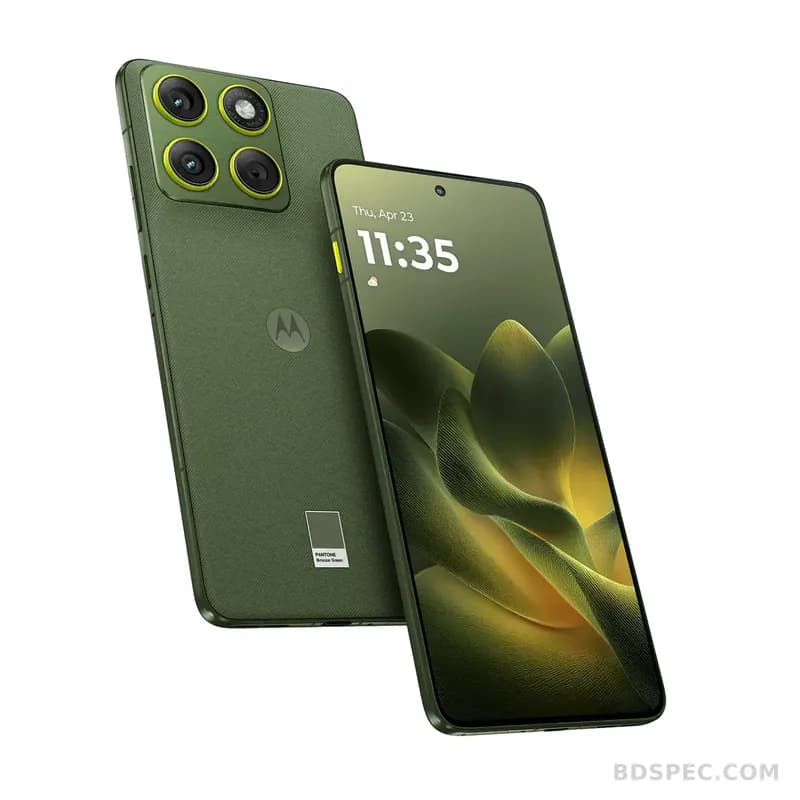
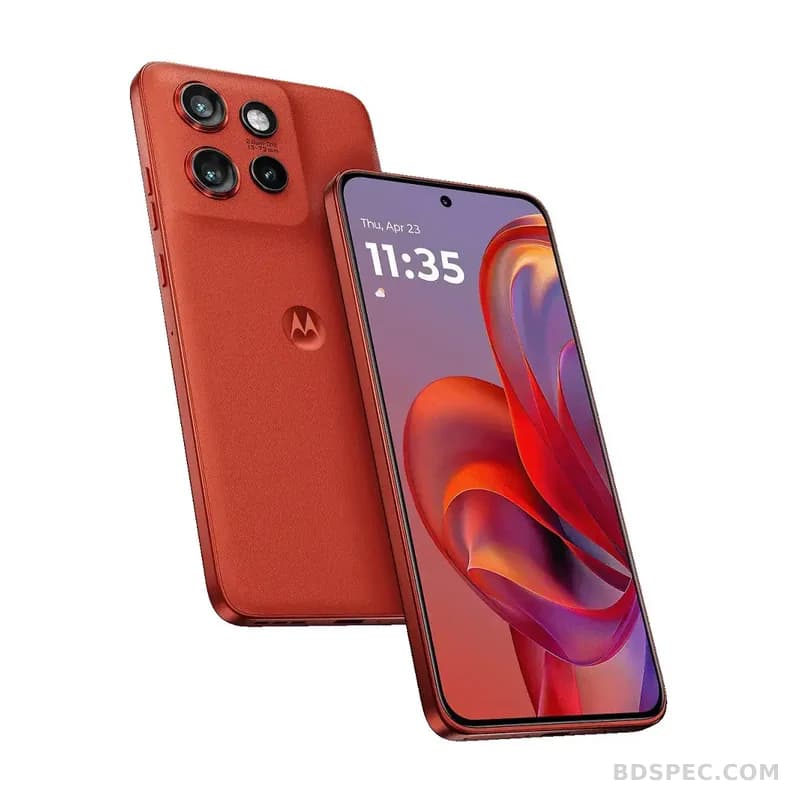
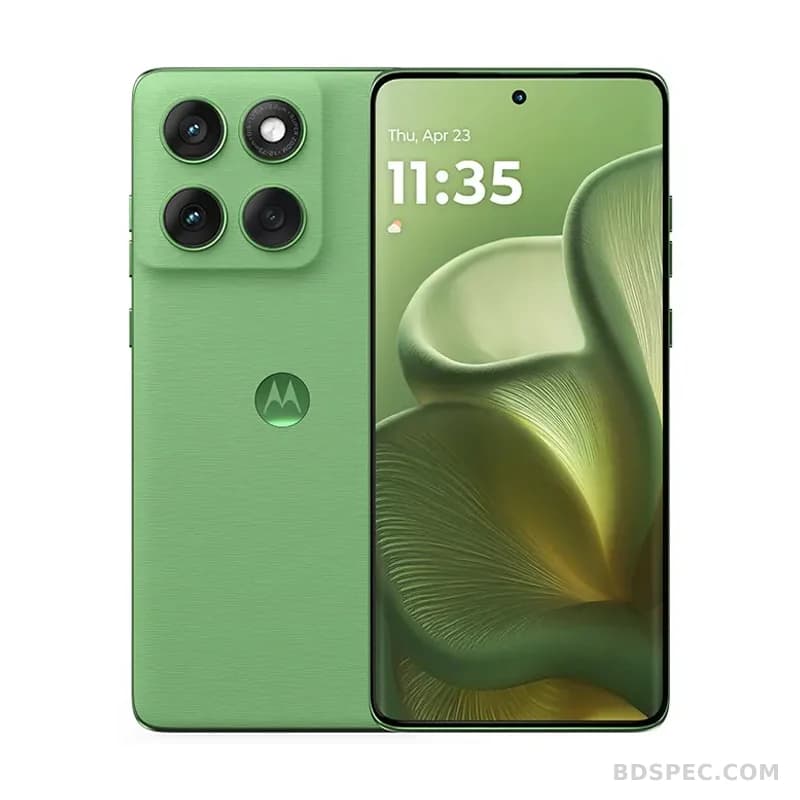
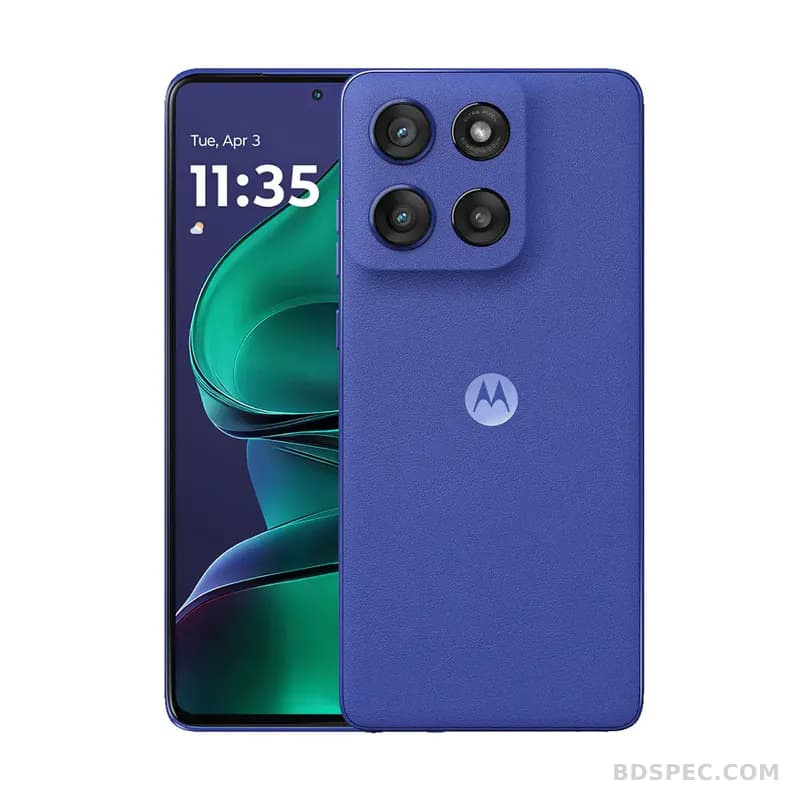
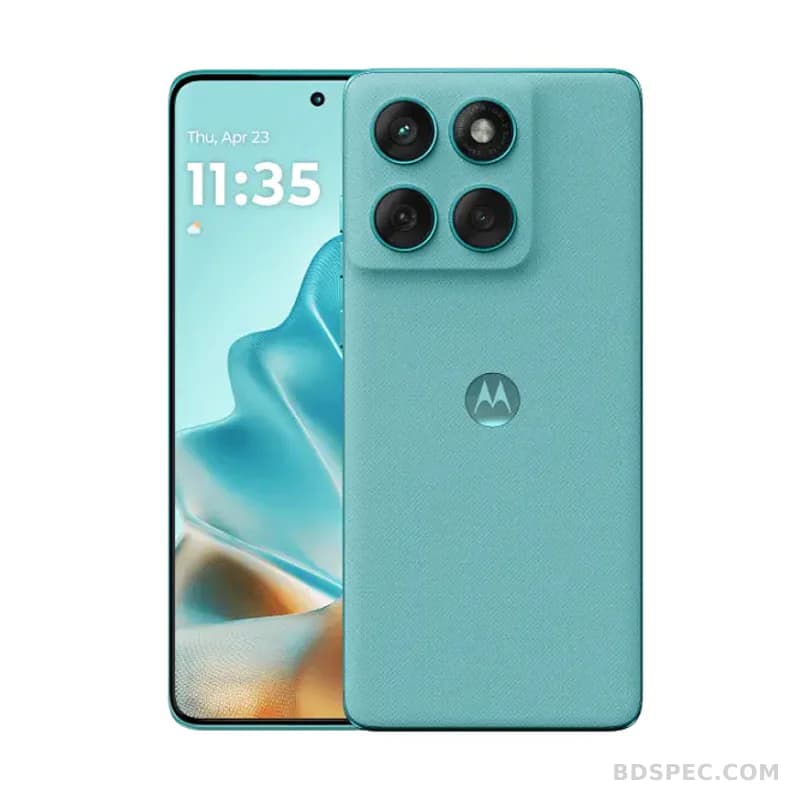
Two kinds of buyers search for this name, and they rarely want the same thing. One is choosing a phone for calls, messaging, browsing, photos, and entertainment. The other is equipping staff who need to record what happens around them as they work. A smartphone and a body camera are both devices that capture and communicate, but they are bought for very different reasons. Looking at them separately makes the decision clearer.
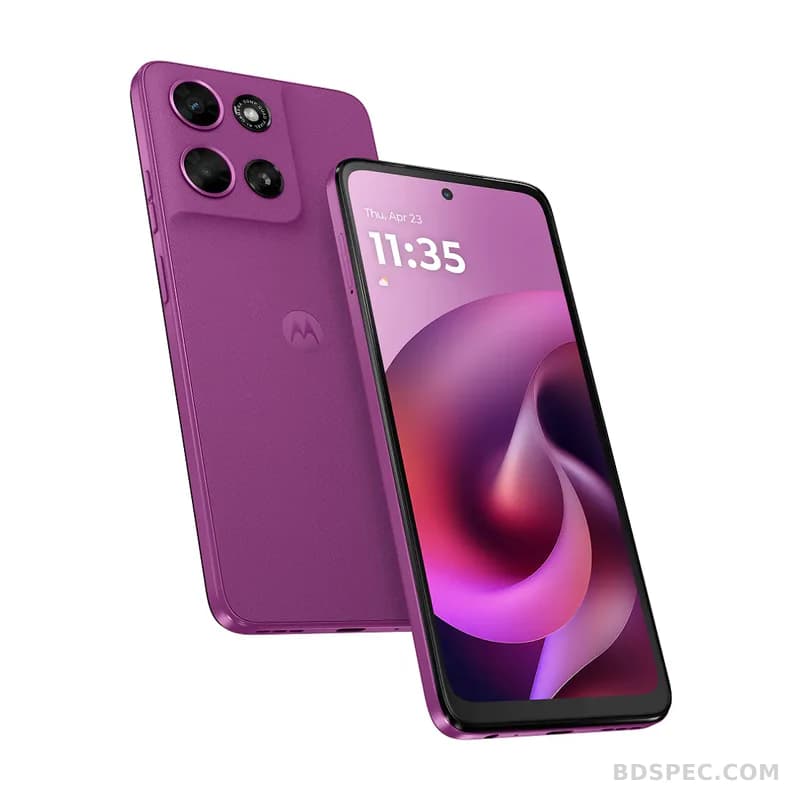
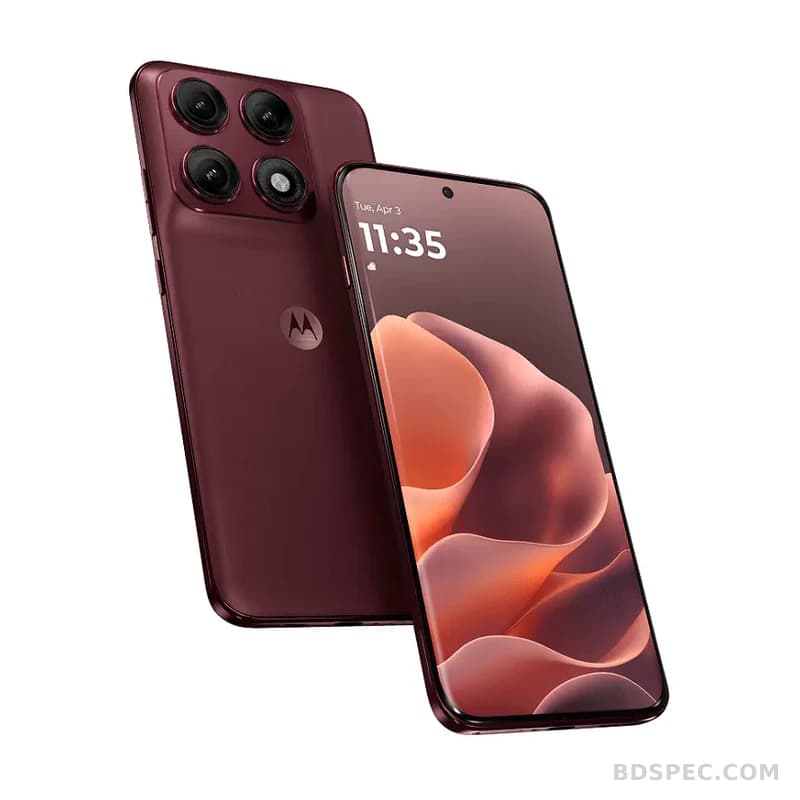
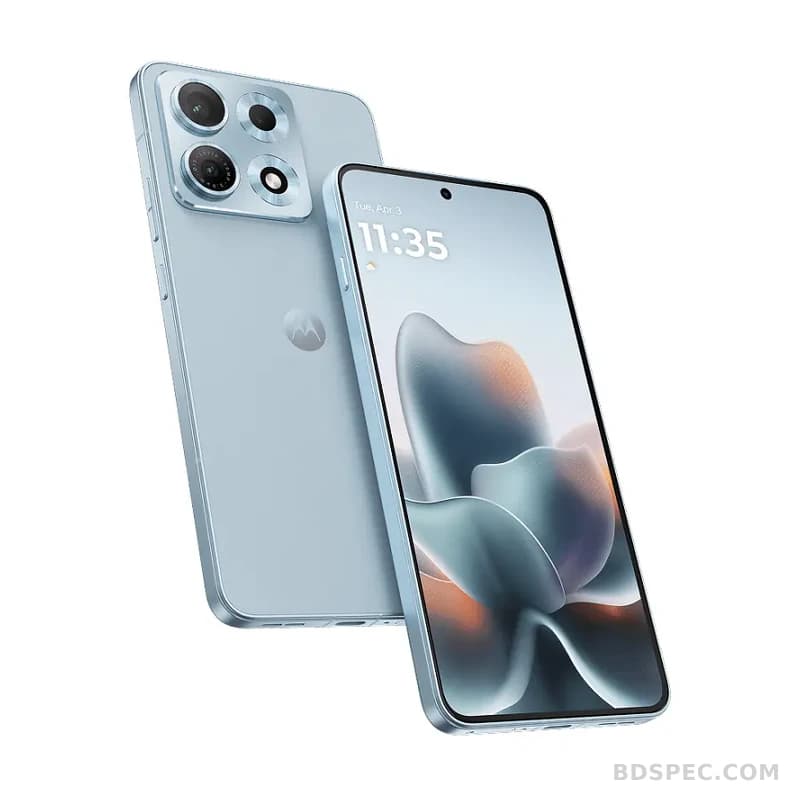
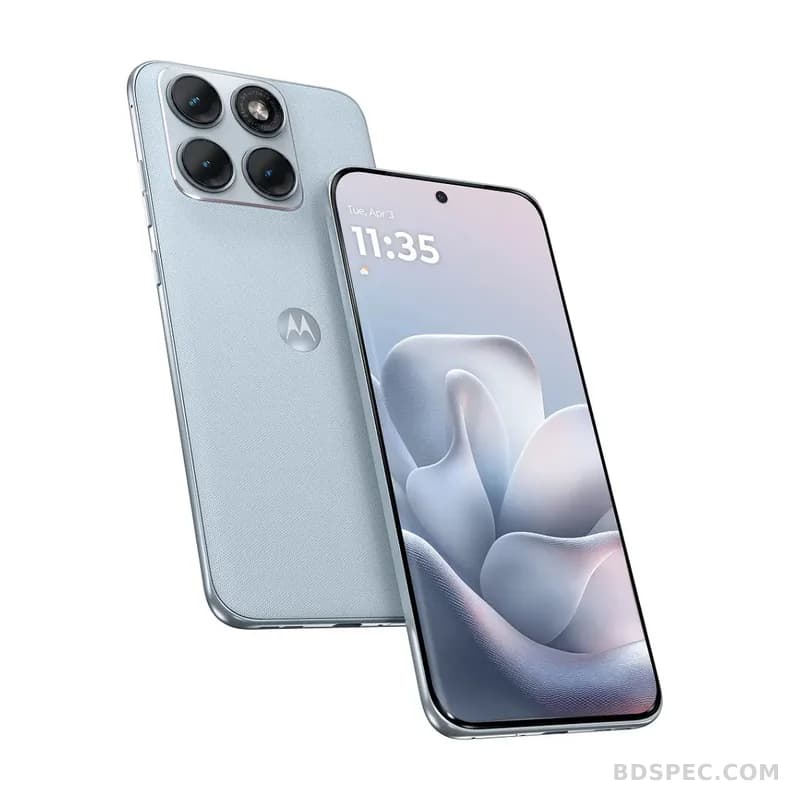
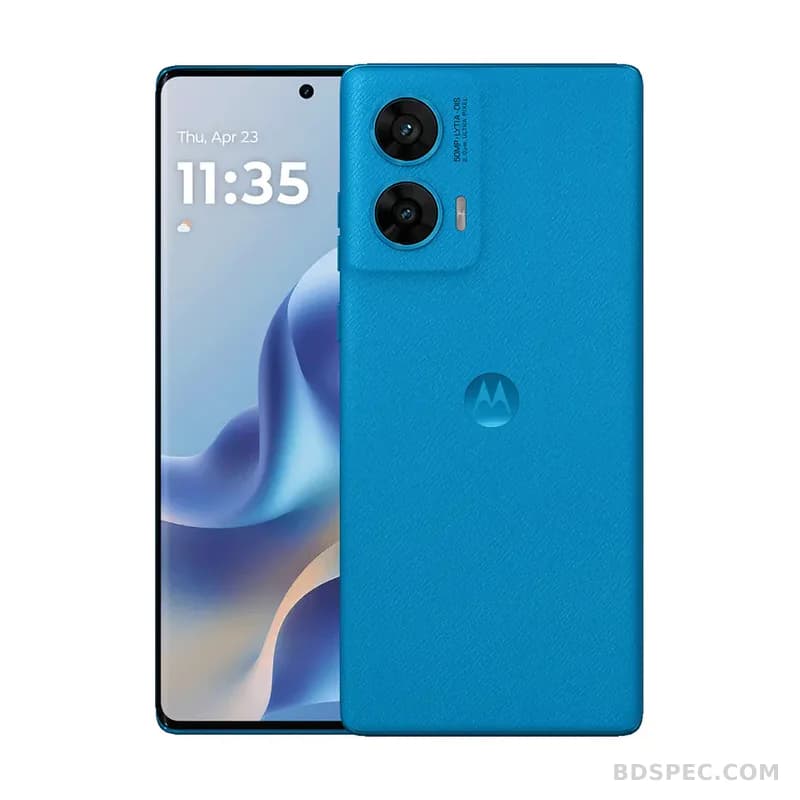
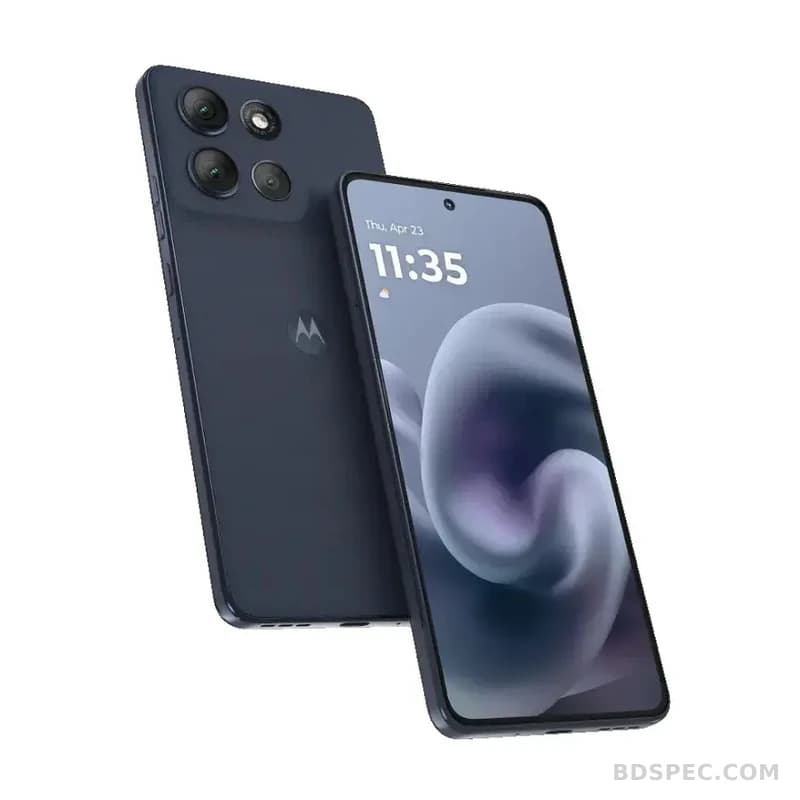
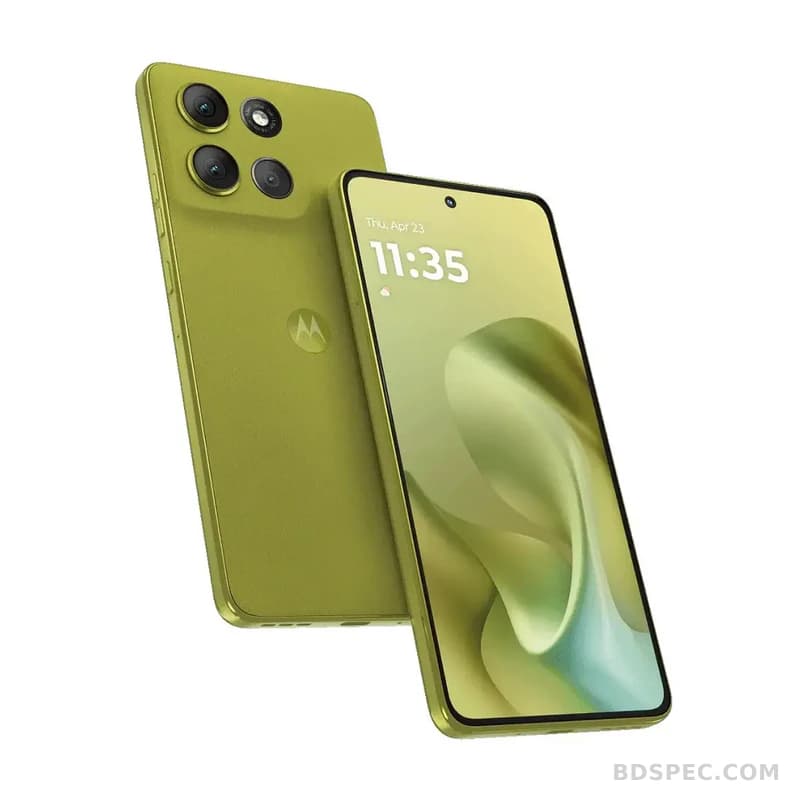
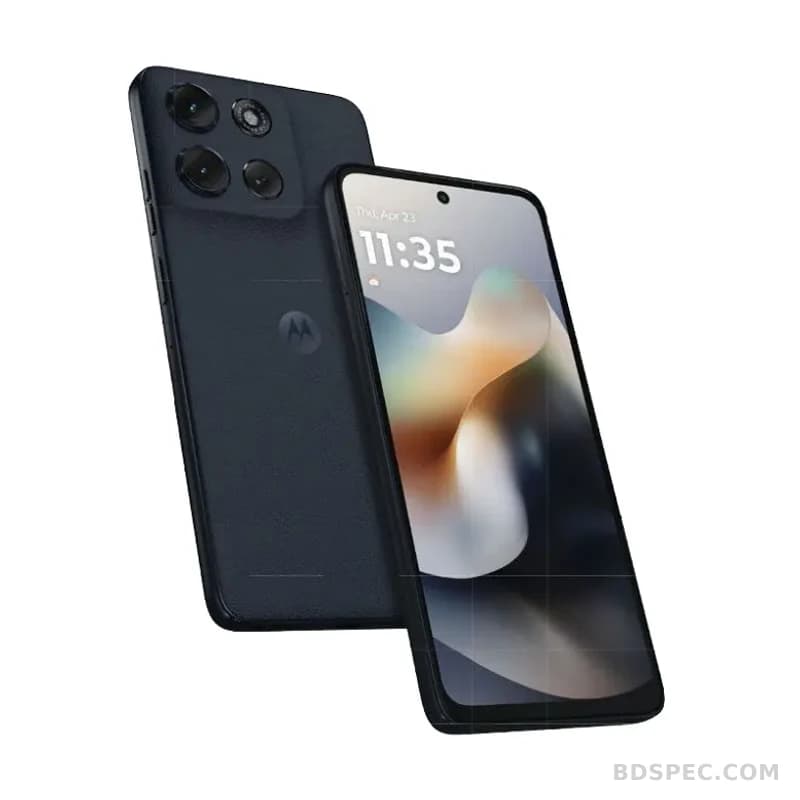
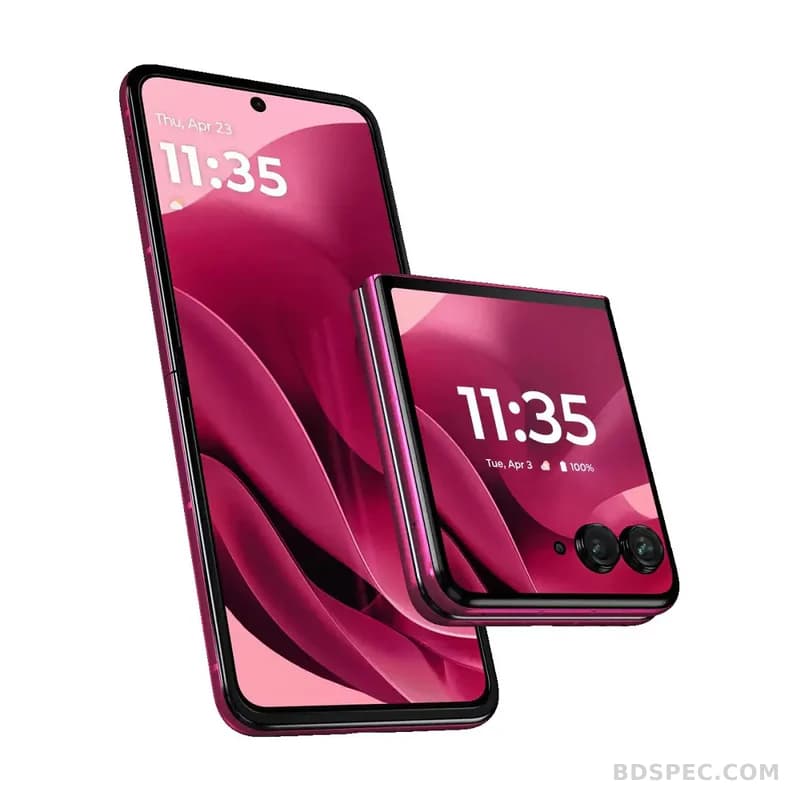
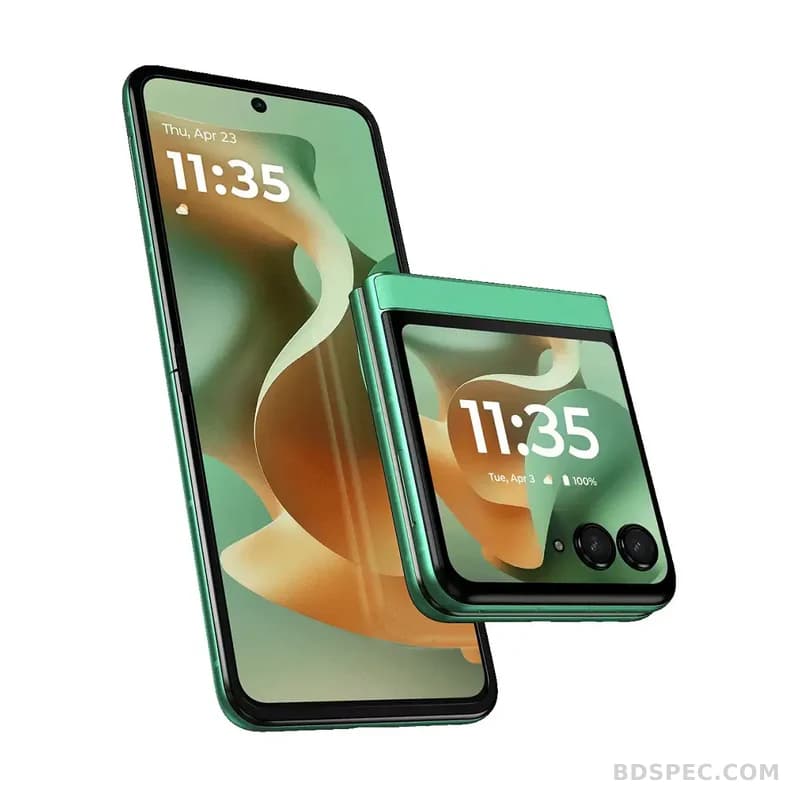
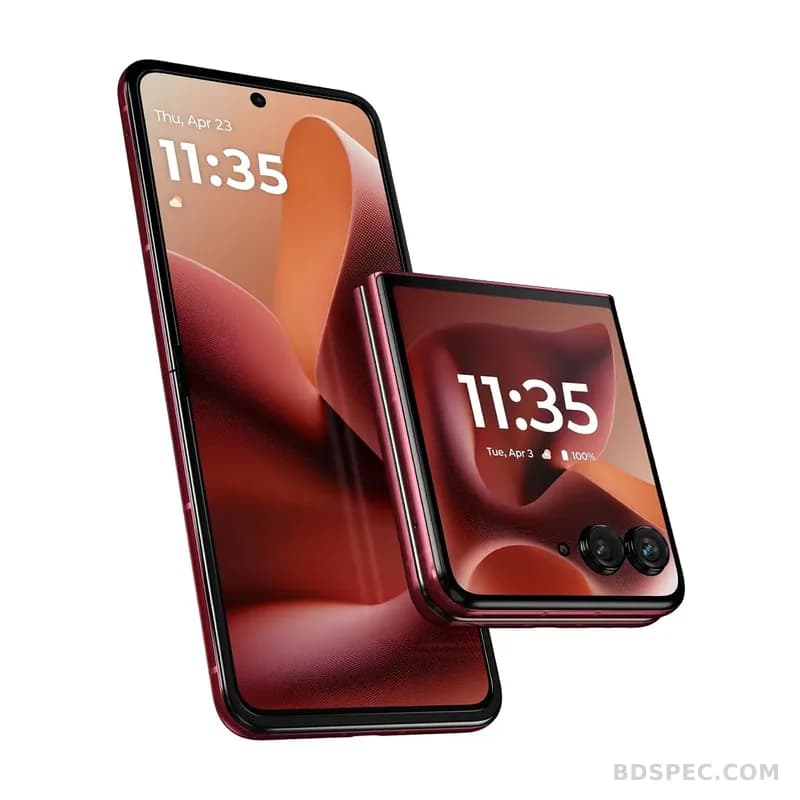
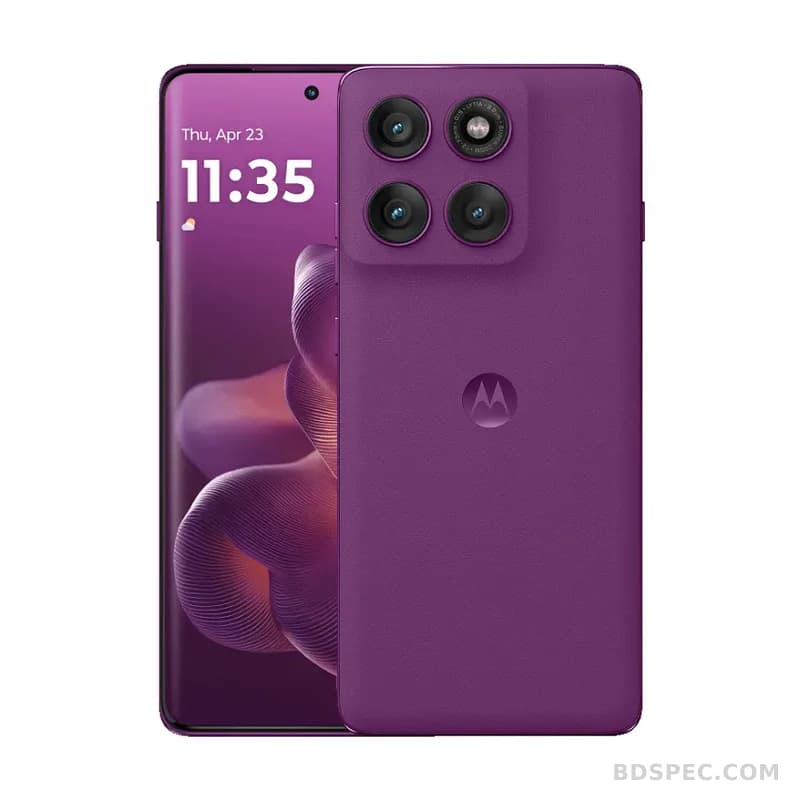
The phone comes first for most people. A smartphone is now the centre of daily life, used for banking, work messages, maps, study, and staying in touch with family. When you compare options, resist the pull of the specification sheet and think about how you use the phone. If your day is long and you are often away from a charger, battery life is the feature that will affect you most. If you take a lot of photos, camera quality in the conditions you actually shoot in, including low light, matters more than a very high megapixel number. If you play demanding games or run heavy apps, performance and storage become the priority. For most buyers, a balanced phone that handles everyday tasks smoothly is a better use of money than a flagship bought for features they never touch.
Storage is worth planning rather than guessing. Photos, videos, apps, and downloaded files fill space quickly, and running out is frustrating. Choose enough built-in storage for your habits, and remember that some models allow a memory card while others do not. Screen size is a personal trade-off between comfortable viewing and one-handed use. It is worth holding a phone before deciding, because the difference between sizes is easier to feel than to read about. Network support and the availability of service are also important; a phone is only useful if it works well on the networks you use and can be repaired locally if something goes wrong.
The
smartphone range gives a view of the models that reach the Bangladeshi market. As you shortlist, check the warranty terms, confirm the phone is an official or otherwise properly supported unit, and ask about the seller's return policy. For a device you carry every day, buying from a seller who will stand behind it is worth a small premium.
Now the body camera. This is a tool rather than a personal gadget, and it is chosen for a job. Security guards, delivery and field staff, inspectors, and event teams may need to record interactions for accountability and safety. A body camera is designed to be worn, to start recording quickly, and to keep footage that can be reviewed later. The priorities are therefore different from a phone: how it is mounted and worn, how long it records on a charge, how much footage it can store, how rugged it is, and how footage is transferred and managed.
Think about the conditions the camera will face. Staff working outdoors need a device that copes with heat, dust, and rain. Those working long shifts need battery life that lasts the whole duty period, or a spare battery and a plan for swapping it. Clear audio matters as much as video, because a record without sound often proves less useful. Low-light performance is important for night shifts. Consider how footage will be offloaded and stored, since recording is only useful if the files can be found when needed. A simple, reliable workflow matters more than advanced features that staff will not use.
Before buying body cameras for a team, agree on what you expect them to achieve. Are they for deterrence, for evidence, for training, or for protecting staff against false complaints? Each purpose places a different weight on mounting, battery, and data handling. Involving the people who will wear the cameras helps, because a device that is uncomfortable or awkward will be left in a drawer. It is also wise to have a clear policy on when recording is appropriate and how footage is stored and accessed, both for legal reasons and for staff trust.
The
body camera section shows the types that are available locally. When comparing, ask about the mount and accessories included, the warranty, and whether the seller can supply extra batteries or docking options. For a team purchase, buy a small number first, test them in real conditions, and expand once you know they suit the work.
Motorola products are available through mobile retailers, online sellers, and specialist suppliers in Bangladesh, so availability and pricing vary. For phones, check that the unit is properly supported and clarify the warranty. For body cameras, confirm what the package includes and who will service the equipment. Whether you are buying one phone or a set of cameras for a team, understanding your actual use before you look at prices will lead to a choice you can live with.